Open mobile app
Claret Wine Typically replies within a few hours

Would you like some assistance with a recommendation?

Zara Wilkens | yesterday

Chillable Reds: Yes, Red Wine Belongs in the Fridge

Red wine belongs at room temperature. Sure—if your room is a chilly European cellar and not an Australian kitchen in January.


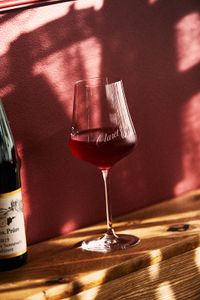
The better rule is simpler: some reds are absolutely delicious with a bit of fridge time. A good chillable red wine is bright, light on its feet and wonderfully easy to drink. It brings the juicy pleasure of red fruit with the refreshment usually assigned to white or rosé. Less ceremony. More “shall we open another?” energy.

What is a chillable red wine?

Chillable reds are usually light- to medium-bodied wines with lively acidity, soft or fine tannins and plenty of fresh fruit. They may be made from grapes such as Gamay, Pinot Noir, Pinot Meunier, Grenache, Nebbiolo or lighter red blends. Some include white grapes in a field blend or co-ferment, which can lift aroma and freshness.

“Light red wine” does not mean thin, simple or short on flavour. It means the wine carries itself differently: less weight, less grip, more glide. Think raspberry, cherry, cranberry, red plum, herbs and spice. Yummy, in the technically rigorous sense.

Why chill it?

Cooling a red turns down the perception of alcohol and puts freshness, crunch and perfume in the front row. It can make a juicy wine feel even more vivid. The catch is that very cold temperatures also mute aroma and can make tannin feel harder, so this is a chill—not cryogenic storage.

How cold are we talking?

Aim for roughly 12–15°C. At home, put the bottle in the fridge for 20 to 40 minutes before opening. If it has been in there all day, pour a glass and give it ten minutes to wake up. The wine will warm as you drink it, which is useful: you get to notice where it tastes best rather than obeying a tiny thermometer.

A bucket with some ice and plenty of water works quickly. Once the bottle feels cool rather than frosty, you are there.

What not to chill

Big, tannic, oak-heavy reds usually do not love a deep chill. Cold can clamp down on aroma and make the structure feel stern. That does not mean they need to be warm—many reds are better around 16–18°C than at a hot-room 24°C—but save the proper fridge treatment for bottles built around freshness

Seven reds we would happily put in the fridge

Vintages and availability move, as good things tend to. Treat this as a style guide and check the shelf—or ask us—before becoming emotionally attached.


Anim Field Blend Red

Currently pouring at the Claret bar, which is the easiest possible research assignment. Anim’s Field is a co-fermented Tasmanian blend of red and white varieties. The point is not to untangle every grape; it is the bright, layered, highly drinkable whole. Give it a light chill and let the fruit and perfume do their thing.


Eminence Pinot x Three

Pinot Gris, Pinot Noir and Pinot Meunier meet in roughly equal parts in this light red from Whitlands, in Victoria’s high country. Chilled, it leans into crunchy red apple, raspberry and bramble; warmer, the fruit becomes plusher and more plum-like. That changing shape is half the fun. It is made by Eminence’s Clare Burder and Pete Allen from their high-altitude family vineyard. Clare is a winemaker, wine educator, qualified sake professional and the prolific writer behind Eminence’s delightfully useful Winesplainer series. The wine itself is thoughtful without behaving like a lecture: detailed winemaking, old oak, no fining or filtration, and a very uncomplicated invitation to drink it.


Italian Plastic Super Glou

The name has already done some of the work. Super Glou is a lo-fi South Australian red from winemaker Sam Berketa’s Italian Plastic project: bright cherry, cranberry and red plum, with spice and a dry finish. A Malbec-led blend with white and red grapes in the mix, it is crunchy, gluggable and extremely comfortable next to pizza.


Dormilona AKA

Dormilona makes AKA in Margaret River as a deliberately chillable red blend. It is the sort of bottle that makes the category click: juicy fruit, energy and enough savoury detail to keep everyone interested. Cold enough to refresh; not so cold that the flavour disappears.


Denton Shed Nebbiolo

Nebbiolo has a reputation for being serious, tannic and fond of a long wait. Denton’s lighter expression takes another path. Pale ruby, red cherry, pink grapefruit and herbs meet bright acidity and subtle tannin. Serve it lightly chilled when you want savoury detail without the full armchair-and-decanting production.


Uva Non Grata Gamay

Gamay is a natural gateway to chilled reds, and Uva Non Grata keeps the welcome mat out. It is bouncy and fruit-forward, full of soft red berries and fresh primary fruit. Put it beside charcuterie, burgers or a blanket on the grass. No tasting grid necessary.


22 Degree Halo a wildcard

Ricca Terra’s 22 Degree Halo range includes wines explicitly built for bright, casual drinking—look for Chill With The Moon when it is available. It belongs in this orbit: Riverland sunshine translated into something playful, fresh and fridge-friendly.


What to eat with chillable reds

The category is gloriously flexible. Try charcuterie, pâté, pizza, fried chicken, grilled sausages, tuna, salmon, mushroom dishes or anything involving a picnic rug. The fresh fruit and acidity handle salt and fat; the lighter frame does not steamroll vegetables or fish.


Also acceptable: salt-and-vinegar chips. We are not the police.

How to choose one

Look for words such as light, juicy, crunchy, fresh, bright, nouveau or carbonic.


Choose grapes with a lighter natural frame: Gamay and Pinot are friendly starting points, but blends are where plenty of the fun lives.


Do not confuse cloudy with automatically chillable, or “natural” with automatically light. Ask about the actual wine.


When in doubt, tell us what you are eating and how cold you want the bottle. “Fridge red for pizza” is a flawless brief.

The fridge-door conclusion

Chillable red wine is less a strict category than a very good attitude: fresh, unfussy and ready to go wherever dinner—or the afternoon—takes you. Chill it, taste it, let it warm a little, taste it again. The correct temperature is the one where the bottle becomes most delicious.


Browse our chillable reds, or ask what is cold and open at the bar. We may already be pouring your answer.


A few bottles we think are worth knowing about...


We always feel so lucky to be able to stock wonderful things on the shelf that we think will bring some level of discovery, excitement but above all else quality for you. Some are already established names. Others are producers we think you’ll be hearing us wax lyrical about in store. Either way, if you see something interesting on the shelf, ask us about it. We’re always happy to point you towards something new.


Good times call for Claret xx

Zara Wilkens

More Posts

Orange Wine, Explained Without the LectureOrange Wine, Explained Without the Lecture
Orange Wine, Explained Without the Lecture

Orange wine tastes as good as it looks. Sometimes peachy and tropical, sometimes floral and savoury, often textural, always capable of making a table look approximately 40 per cent more fun.

It can also attract explanations with the length and emotional weight of a minor thesis. We will not be doing that. Here is orange wine without the lecture: what it is, why it has colour, what it tastes like and where to begin.

Geelong Wine, Without the Homework: Where to StartGeelong Wine, Without the Homework: Where to Start
Geelong Wine, Without the Homework: Where to Start

Geelong wine is close enough to feel local, varied enough to keep surprising you, and—if we are being honest—occasionally discussed as though everyone arrived with a geology degree. You did not. Excellent. This Geelong wine guide is the useful version: three parts of the region, three grapes to know, and a very easy way to choose your first bottle.

<p>Geelong Wine Producers: A Claret Guide</p><p>Geelong Wine Producers: A Claret Guide</p>

Geelong Wine Producers: A Claret Guide

We'd love to say we stock everything Geelong has to offer. We absolutely do not. There are simply too many good wines, too many small producers and not enough shelf space. Rather than attempt to create a definitive list of the best Geelong wineries, we've put together a Claret edit of some of the local producers currently on our shelves, in our fridges or on our bar list. These are wines we like, drink, pour and come back to. Some are established names that have helped put Geelong on the map; others are newer producers we're excited to watch. The common thread is that they tell us something interesting about where they're from.

What Wine Should I Bring to Dinner? A Claret GuideWhat Wine Should I Bring to Dinner? A Claret Guide
What Wine Should I Bring to Dinner? A Claret Guide

Someone has invited you to dinner.


You've been told not to bring anything.


You're obviously bringing something.


But what? Choosing a bottle for someone else's dinner can be surprisingly stressful. You don't know exactly what's being served, whether they're a red or white person, what they've already bought, or whether your host is secretly judging your wine choices.


Don't worry Claret family. We've got you.

Champagne vs Sparkling Wine: What’s the Difference?Champagne vs Sparkling Wine: What’s the Difference?
Champagne vs Sparkling Wine: What’s the Difference?

Champagne is sparkling wine. But sparkling wine isn’t Champagne...


It sounds simple, but there’s a surprisingly big world hiding behind those two words. At Claret, we’re big fans of Champagne. We’re also big fans of Australian sparkling, Loire Valley bubbles, Crémant, pét-nat and pretty much anything else that makes an excellent bottle of fizz. So, what actually makes Champagne different? And if Champagne is off the menu — whether because of price, occasion or simply because you fancy trying something new — what should you drink instead?


Let’s get into it.

Spring Drinking: The Wines We’re Reaching ForSpring Drinking: The Wines We’re Reaching For
Spring Drinking: The Wines We’re Reaching For

Spring has arrived, and with it comes a very important change in drinking habits.


Longer afternoons, windows thrown open, the first lunches outside and those evenings where nobody seems particularly interested in going home. Suddenly, we're looking for wines that feel a little lighter, fresher and more energetic.


At Claret, we've been stocking the shelves accordingly.


From cool-climate Victorian Chardonnay and plenty of bubbles to bright, chillable reds and European varieties, these are some of the wines we're reaching for this spring.

Negroni Month at ClaretNegroni Month at Claret
Negroni Month at Claret

September is Negroni Month at Claret.

For the entire month, we're giving one of the world's most iconic cocktails the attention it deserves — with six different takes on the Negroni pouring at the bar.

If you're already a Negroni person, you'll know exactly why we're excited. If you're not, September is a very good time to become one.

The Claret Father's Day Gift GuideThe Claret Father's Day Gift Guide
The Claret Father's Day Gift Guide

Father's Day isn't just about dads. It's a chance to celebrate the people who have been there for us — whether that's Dad, a stepdad, grandfather, father figure, or someone who has stepped into that role along the way. And, of course, there are plenty of single mums who've been doing double duty and deserve a good bottle too.


So, whoever you're celebrating this Father's Day, we've done the hard work for you.

Five Bottles Worth Knowing About Right NowFive Bottles Worth Knowing About Right Now
Five Bottles Worth Knowing About Right Now

There’s always something interesting finding its way onto the shelves at Claret. The

Sometimes it’s a producer we’ve been drinking for years. Sometimes it’s a bottle that’s been quietly sitting in a cellar, waiting for its moment. And sometimes it’s simply something we tasted and thought: Yep. The Claret Family need to know about this.