Zara Wilkens | yesterday

How Long Does Wine Last Once Opened?

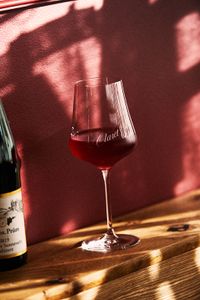
And yes, the red wine should go in the fridge too.


You opened a bottle last night and did not finish it.


First, congratulations on your restraint. Second, how long do you have before the wine loses the things that made you open it in the first place?


The honest answer is that every wine is different. Some are best on the night they are opened. Some remain delicious for several days. Some appear quiet on day one and become far more expressive overnight. There is no universal countdown clock, but there are a few things you can do to give an open bottle a better chance.


The short version is simple: Seal it, refrigerate it and reduce the amount of air sitting above the wine where possible. Yes, that includes red wine.

What happens when you open a bottle?

Opening a bottle introduces oxygen. A little oxygen can be helpful. It can release aromas, soften the impression of tannin and allow a wine that initially feels tight or closed to become more expressive.


This is the same reason certain wines benefit from decanting. Our guide to decanting wine without overthinking it explains that side of the story.


Over time, however, continued exposure to oxygen changes the wine. Fresh fruit and perfume may become quieter. Flavours can flatten, colour may shift and the wine can develop bruised-apple, nutty or stale characters. This process is oxidation. The question is not whether an open wine will change. It will. The question is how quickly, and whether those changes make it more or less enjoyable.

What happens when you open a bottle?

An almost-full bottle has relatively little air sitting above the wine.


A nearly empty bottle has much more. That empty space is known as headspace or ullage. Once the bottle has been opened, the headspace contains air, including oxygen. The greater the headspace in relation to the amount of wine, the more opportunity there is for oxygen to interact with it.


This is why a bottle with one glass remaining will often fade faster than a bottle that is still three-quarters full.


It is not simply about how many days have passed. It is also about how much wine and air are sharing the bottle.

Should open wine go into the fridge?

Yes. White, rosé and sparkling wine naturally return to the fridge. Red wine should go in too.


Refrigeration does not remove oxygen from the bottle, but the lower temperature slows the chemical reactions involved in oxidation. It can also slow the activity of microorganisms that may contribute to spoilage. In plain English: cold gives the wine more time.


Reseal the bottle and place it in the fridge as soon as you know you are finished for the evening. Do not leave it on the kitchen bench overnight and refrigerate it the following afternoon. By then, the wine has already spent many warm hours with oxygen.


When you want to drink the red again, take it out of the fridge and let it warm for fifteen to thirty minutes. Pouring a small glass will help it return to temperature more quickly.

Does transferring wine into a smaller bottle help?

It can. If you have a clean, sealable glass bottle or vessel, transfer the remaining wine into it. Choose something that the wine will nearly fill, leaving as little air above the liquid as practical.


Less headspace means less oxygen sitting in the vessel with the wine.


Cleanliness is essential. The container should be properly washed, thoroughly rinsed and free from detergent, food, cupboard smells or anything else the wine may collect. A small screwcap bottle can be very useful. Pour the wine in gently, seal it and refrigerate it.


This may not look as elegant as a beautiful decanter in the centre of the table, but the two vessels have opposite jobs. A decanter introduces air. A smaller storage bottle tries to limit further exposure.

How long does sparkling wine last after opening?

Sparkling wine is usually at its most energetic on the day it is opened. With a proper sparkling-wine stopper and refrigeration, it may remain enjoyable for approximately one to three days. The bubbles will gradually soften, and delicate aromatics may fade.


A standard wine stopper is less effective because it is not designed to hold pressure. A spoon placed in the neck of the bottle is charming folklore, but a proper stopper is the more reliable option. Taste the wine the following day. Even if the bubbles have softened, a complex Champagne or traditional-method sparkling may still have plenty to say.

How long does white wine last after opening?

As a broad starting point, many white wines will remain enjoyable for approximately three to five days when resealed and refrigerated. Crisp, aromatic whites may lose some of their perfume and energy sooner. Richer or more structured whites can sometimes hold for longer and may even become more expressive on the second day.


The amount left in the bottle matters. So do the wine’s acidity, structure, winemaking and condition when it was opened.


Taste it rather than relying entirely on the calendar.

How long do rosé and orange wine last?

Rosé generally behaves much like white wine. Reseal it, refrigerate it and aim to revisit it within approximately three to five days.


Orange and skin-contact wines vary enormously.


A light, aromatic skin-contact wine may begin losing freshness after a few days. A more structured amber wine with tannin and savoury complexity may hold very well and continue developing after opening. The colour orange does not give the wine one fixed lifespan. Structure matters more.

How long does red wine last after opening?

Many red wines will remain enjoyable for approximately two to five days when resealed and refrigerated.


Light, delicate reds can fade relatively quickly. Pinot Noir, Gamay and other fragrant wines may lose some perfume after a day or two, particularly if only a small amount remains. Structured reds with tannin and concentration often hold longer. Cabernet, Shiraz and Nebbiolo may still be developing on day two and can sometimes remain interesting for several days.


Older wine is a different proposition. A mature bottle may open beautifully and then fade quite quickly once exposed to air. If the wine is delicate and already fully evolved, do not assume it will be better tomorrow.


Again, taste is more reliable than a fixed deadline.

What about natural wine and wines with little sulphur?

Sulphur dioxide is commonly used in winemaking for its antioxidant and antimicrobial protection.


It follows that wines made with very low levels of sulphur, or no sulphur added, may sometimes be more vulnerable after opening. They can change rapidly and may be less predictable from one day to the next.

But that is not a universal rule. Some minimal-intervention wines become more expressive after a night in the fridge. Others lose their freshness quickly. Acidity, cleanliness, dissolved oxygen, winemaking choices, storage and the individual wine all contribute. We would describe low-sulphur wine as potentially more variable, not automatically short-lived.


Treat the bottle in front of you as an individual. Taste it when you open it, seal and refrigerate what remains, then taste it again the following day.

Can a wine be better on day two?

Absolutely.


Some young, structured or initially closed wines need oxygen before their aromas and flavours become fully expressive. A wine that seemed firm, quiet or slightly reductive on the first night may feel more open and settled the next day.


This is particularly possible with concentrated reds, structured Chardonnay, textural whites and some skin-contact wines. Day two is therefore not automatically a lesser version of day one. The useful question is whether the wine has opened or faded. If the fruit has become clearer, the aroma more generous and the palate more settled, the oxygen has been helpful.


If the perfume has disappeared, the flavours feel flat and the wine has become dull or stale, it has moved too far.

How can you tell when wine has oxidised?

Look for changes rather than one universal smell.


An oxidised wine may show:

Less fresh fruit and perfume

Muted or flattened flavour

Bruised apple or nutty aromas

A tired or stale finish

Browning in red wine

Deepening gold or brown colour in white wine

Less freshness and energy overall


Some intentionally oxidative wines naturally display nutty, savoury or developed characters. Context matters. Compare the wine with what it tasted like when first opened. If it is simply quieter, you may still enjoy it. If it smells stale and tastes lifeless, its best drinking is probably behind it.

Does a vacuum pump help?

A vacuum pump can remove some of the air from the bottle and may help slow the wine’s decline.


It does not create a perfect vacuum, and the pumping action can potentially remove some volatile aromas along with the air. Still, it is a convenient option for everyday bottles. Inert-gas preservation systems take a different approach by placing a protective gas above the wine and limiting its contact with oxygen. More sophisticated systems can preserve wine for considerably longer, although most households do not need specialist equipment for Tuesday night leftovers.


For the simplest method, reseal the bottle, refrigerate it and transfer small leftovers into a smaller vessel.

What should you do with wine that is beginning to fade?

If the wine is still sound but no longer especially exciting to drink, use it sooner rather than later.


It may be suitable for:

Pan sauces

Risotto

Slow cooking

Braises

Pasta sauce

Poaching fruit

Freezing into portions for future cooking


Do not assume cooking will rescue wine that smells unpleasant or clearly faulty. Heat concentrates flavours, including flavours you did not enjoy in the first place. Use leftover wine while it still tastes like something you would be happy to put into dinner.

The Claret open-bottle checklist

When you have wine left:

Reseal it as soon as practical.

Put it into the fridge, including red wine.

Transfer a small amount into a clean, smaller bottle if possible.

Use a proper sparkling stopper for fizz.

Keep it away from light and heat.

Taste it the following day.

Trust your senses rather than treating a date range as law.


The Claret verdict

There is no hard and fast rule for how long open wine lasts.


A delicate sparkling wine may lose its energy quickly. A structured red might be better tomorrow. A low-sulphur wine may change rapidly, or it may become more expressive after a night in the fridge.


The amount left in the bottle matters because more empty space means more air. Refrigeration helps because lower temperature slows the reactions that change the wine. A smaller, clean vessel can help by reducing the headspace.


Seal it. Chill it. Taste it again. If it is more subdued on day two but still delicious, keep drinking. If it needed the oxygen and has opened beautifully, congratulate yourself for leaving some behind.


And if it has lost its fruit, freshness and charm, let it go. Not every bottle is destined for a second evening.

A few bottles we think are worth knowing about...


We always feel so lucky to be able to stock wonderful things on the shelf that we think will bring some level of discovery, excitement but above all else quality for you. Some are already established names. Others are producers we think you’ll be hearing us wax lyrical about in store. Either way, if you see something interesting on the shelf, ask us about it. We’re always happy to point you towards something new.


Good times call for Claret xx

Zara Wilkens

More Posts

How Cold Should Wine Be?How Cold Should Wine Be?
How Cold Should Wine Be?

A practical guide to serving temperature, fridge time and drinking wine however you like it.


Wine people can become very particular about temperature.


Sparkling must be served at precisely this number. Chardonnay must be removed from the fridge at exactly that moment. Red wine must be served at room temperature, whatever that is supposed to mean in an Australian kitchen in January.


We are not here to confiscate your ice cubes. If you like your wine properly cold, drink it properly cold. If you enjoy a cube or two in the glass on a hot afternoon, nobody from Claret is coming to your house to stop you.


It is still useful to understand what temperature does to wine. Serving a wine colder or warmer changes how much aroma, flavour, acidity, alcohol and texture you notice. Once you know that, you can choose the temperature that makes the wine taste best to you.


Here is the useful version.
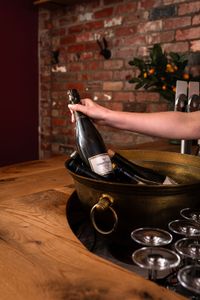
A practical guide to bottles, bubbles and making sure the good times don’t run dry.A practical guide to bottles, bubbles and making sure the good times don’t run dry.
A practical guide to bottles, bubbles and making sure the good times don’t run dry.

Planning a party involves several important questions.


How many people are coming? What are we feeding them? Do we have enough ice? Who said they were bringing chairs? And, most importantly, how much wine do we actually need?


Buy too little and the final hour becomes a cautious examination of what remains in the fridge. Buy too much and, well, you have wine left over. Of the two possible problems, we know which one we would prefer.

The amount matters, but so does the mix. The difference between a party that was perfectly nice and one your friends whisper approvingly about for weeks may come down to whether you bought enough bubbles and remembered that not everyone wants the same kind of white wine.


If you would like to skip straight to the numbers, use the Claret Party Drinks Calculator. Tell us about your guests and what you plan to serve, and we’ll prepare your suggested shopping list.


Otherwise, let’s talk through it.

<p>How to Decant Wine Without Overthinking It</p><p>How to Decant Wine Without Overthinking It</p>

How to Decant Wine Without Overthinking It

Decanting wine can look suspiciously like one of those rituals designed to make everyone at the table feel they have missed an important class.


There is the beautiful glass vessel. The careful pouring. The serious expression. Occasionally, a candle.


But the useful version is much simpler. You decant wine for one of two reasons: to give it air or to leave sediment behind. Sometimes both. That is really it. A decanter can help a young wine relax, allow a quiet wine to become more expressive and separate an older wine from the sediment that has gathered in the bottle. It can also make the table look very good, which is not the primary purpose but is certainly not a drawback. Here is how to decant wine without turning dinner into a formal examination.

<p>Does Wine Glassware Really Matter?</p><p>Does Wine Glassware Really Matter?</p>

Does Wine Glassware Really Matter?

Yes.


Not just for the aesthetic, although we are certainly not pretending the vibes are irrelevant. Wine simply feels better in a good glass. And, let’s be honest, the wine does cry a little when it is served in something with a chunky rim and a stem built like a table leg.


The right glass does not need to be painfully expensive, reserved for special occasions or designed for one very specific grape grown on one particular hillside. It just needs to help the wine be its best self.


That means giving the wine enough room to move, enough space for its aromas to collect and a fine enough rim that you notice the wine rather than the vessel carrying it.

<p>How to Choose Wine When You Don’t Know What You Like</p><p>How to Choose Wine When You Don’t Know What You Like</p>

How to Choose Wine When You Don’t Know What You Like

Choosing wine can be intimidating.


Perhaps you are standing in a wine shop looking at several hundred labels, none of which are giving much away. Perhaps you are in a restaurant, everyone has handed you the wine list, and a server is waiting while you pretend to understand the difference between two villages in Burgundy.


We have all been there.


Wine has its own language, and that language is not always particularly helpful. People start talking about red apples, green apples, ruby plums, black plums, graphite, forest floors and pencil shavings. Before long, the wine sounds less like a drink and more like a fruit salad served inside a stationery cupboard.

The good news is that you do not need to know the right wine words to choose something delicious.


You just need to know how you want the wine to feel.

Geelong Wine Without the Road Trip How to Taste the Region Closer to HomeGeelong Wine Without the Road Trip How to Taste the Region Closer to Home
Geelong Wine Without the Road Trip How to Taste the Region Closer to Home

A day spent driving between Geelong cellar doors is a very good day.


There are vineyards, long lunches, rolling hills, coastal views and the deeply satisfying feeling that comes from buying wine approximately twelve metres from where it was made.

But sometimes you want to explore Geelong wine without organising an itinerary, appointing a designated driver or committing an entire Saturday to the cause.


Good news. You can start much closer to home.


Whether you order a local wine by the glass, build a few-bottle tasting from the shop or simply choose one producer you haven't tried before, there are plenty of ways to get to know the region without embarking on a full cellar door tour.


Orange Wine, Explained Without the LectureOrange Wine, Explained Without the Lecture
Orange Wine, Explained Without the Lecture

Orange wine tastes as good as it looks. Sometimes peachy and tropical, sometimes floral and savoury, often textural, always capable of making a table look approximately 40 per cent more fun.

It can also attract explanations with the length and emotional weight of a minor thesis. We will not be doing that. Here is orange wine without the lecture: what it is, why it has colour, what it tastes like and where to begin.

Chillable Reds: Yes, Red Wine Belongs in the FridgeChillable Reds: Yes, Red Wine Belongs in the Fridge
Chillable Reds: Yes, Red Wine Belongs in the Fridge

Red wine belongs at room temperature. Sure—if your room is a chilly European cellar and not an Australian kitchen in January.


The better rule is simpler: some reds are absolutely delicious with a bit of fridge time. A good chillable red wine is bright, light on its feet and wonderfully easy to drink. It brings the juicy pleasure of red fruit with the refreshment usually assigned to white or rosé. Less ceremony. More “shall we open another?” energy.

Geelong Wine, Without the Homework: Where to StartGeelong Wine, Without the Homework: Where to Start
Geelong Wine, Without the Homework: Where to Start

Geelong wine is close enough to feel local, varied enough to keep surprising you, and—if we are being honest—occasionally discussed as though everyone arrived with a geology degree. You did not. Excellent. This Geelong wine guide is the useful version: three parts of the region, three grapes to know, and a very easy way to choose your first bottle.